
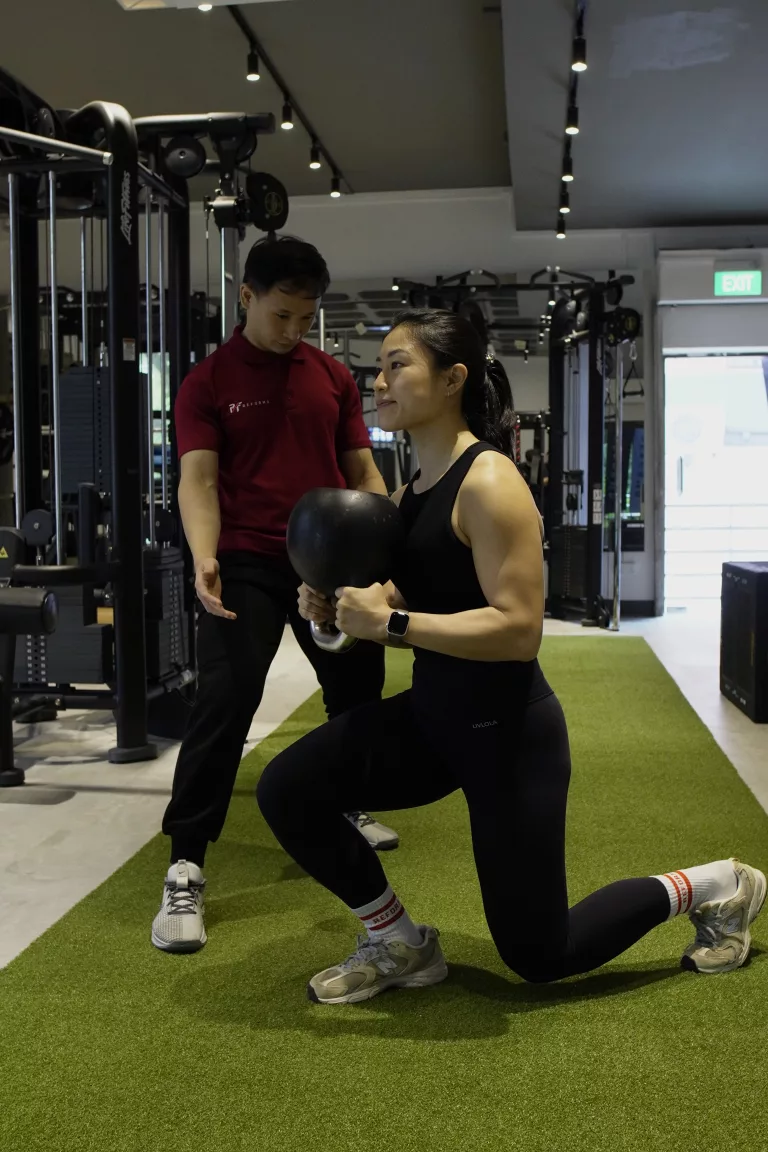
At ReFormd Personal Training, we believe in supporting every stage of your life journey and that includes pregnancy. Contrary to old myths about needing to “take it easy,” today’s evidence-backed approach encourages movement, especially strength training, as a core part of a healthy pregnancy.
Training through pregnancy isn’t about beating personal bests but about preparing your body for one of the most physically demanding events of your life: childbirth. And just like any athlete gearing up for a major performance, strategic preparation pays off.
Let’s explore how strength training benefits both you and your baby, and what you need to know before lacing up your training shoes.
1. Strength That Serves You, Now and the Future
Pregnancy, labor, and postpartum recovery place unique and intense demands on your body. Strength training helps build resilience, so you can manage the physical load of pregnancy and adjust to daily tasks once your baby arrives.
Think: carrying your baby, lifting a car seat, managing groceries, and staying upright through sleepless nights. It isn’t just about looking good but about being able to function and experience the best of motherhood.
2. Protecting Your Joints and Posture
During pregnancy, your body produces a hormone called relaxin, which softens your ligaments to help prepare for delivery. While important, this also makes your joints more mobile and more prone to injury.
Strength training improves muscle balance and joint stability, which reduces aches, protects your ligaments, and supports healthier movement patterns as your body adapts.
With a growing belly, it’s common to feel strain in your lower back or hips. Training your posterior chain (glutes, hamstrings) and deep core helps reduce discomfort and promotes better posture. The real, key importance is on movement variability, with movements like squatting, kneeling, twisting, lifting, all of which are key for long-term function.
Progress All Ways, Always but – at your own pace: Our philosophy: “Don’t chase numbers. Chase capability.” We help you build strength steadily and sustainably, focusing on long-term resilience rather than short-term records.
3. Building a Stronger Core (and Pelvic Floor)
Forget endless crunches. Pregnancy-safe strength training focuses on the deep core, your transverse abdominis, pelvic floor, diaphragm, and multifidus (deep back stabilizers).
Training these muscles helps support your growing uterus, maintain pelvic alignment, and prevent common postpartum issues like incontinence or pelvic organ prolapse.
However, it’s not just about tightening. Many expecting mothers have an overactive pelvic floor, meaning learning to relax is equally important. Programmes like Moms Gone Strong emphasize this balance, and so do we.
4. Managing Weight, Mood, and Metabolism
Exercise, including strength training, supports healthy weight gain, lean muscle mass, and better blood sugar control. This can reduce the risk of gestational diabetes, especially in those already managing weight-related concerns. Strength training benefits isn’t just physical.
Movement has powerful effects on mood, hormone balance, and energy levels. Regular workouts during pregnancy are linked to better sleep, less nausea and fatigue, and a healthier emotional state. For many, it becomes a vital anchor during a time of change.
5. Recovery and Cardio: A Balanced Approach
Strength training pairs well with moderate-intensity cardio to build a solid aerobic bar, which can improve oxygen delivery, recovery between sets, and even day-to-day stamina. You can imagine how this can really help during pregnancy where you are essentially carrying an additional load for 24/7!
Done consistently and with guidance, you’ll likely find that you recover faster between workouts and feel more resilient throughout your pregnancy.
Training Smart: Safety First
We always advocate for an intelligent approach to fitness, especially during pregnancy. Here’s what that means:
- Listen to Your Body: If something feels off, painful, or uncomfortable, stop. No workout is worth pushing through warning signs.
- Modify as You Go: Exercises like planks, jumps, or lying flat on your back may need adjustments in later trimesters. Your ReFormd Personal Trainer can help you modify these exercises safely.
- Mind Your Breath: Avoid the Valsalva maneuver (holding your breath during exertion). Instead, exhale during effort (e.g., lifting) and inhale during the easier phase.
- RPE Over Heart Rate: Instead of outdated heart rate limits, use the Rate of Perceived Exertion (RPE). Aim for moderate intensity (6–7 RPE), or slightly higher only if you were already training at that level pre-pregnancy.
- Consult Professionals: We always recommend visiting a pelvic health physiotherapist before, during, and after pregnancy. A professional assessment is invaluable.
Let ReFormd Support Your Journey
Whether you’re navigating your first trimester or prepping for delivery, our trainers at ReFormd are here to guide you every step of the way. We combine expertise with empathy, creating personalised programmes that evolve with your pregnancy.
And to better support our clients, five of our trainers have recently completed certifications in pre- and post-natal fitness, ensuring our approach is not only compassionate but also clinically informed.
We understand that no two pregnancies are the same. That’s why we don’t do cookie-cutter training. With tools like Visbody scans, expert coaching, and a deep understanding of the female body, we help you feel empowered, strong, and safe throughout your pre- and post-natal experience.
Your Body Is Changing and You Can Grow With It.
If you’re curious about how to begin, or how to adjust your current program, visit any of our ReFormd studios or drop us a message.
📞 Call or WhatsApp us at 8812 8858!
📍 Book your free consult & Visbody scan
💬 Or DM us on Instagram @reformd_training